This article is general information, not medical advice. If you have health concerns, talk to a doctor — especially if anyone in your home has asthma, a chronic condition, or a weakened immune system.
How mold affects health
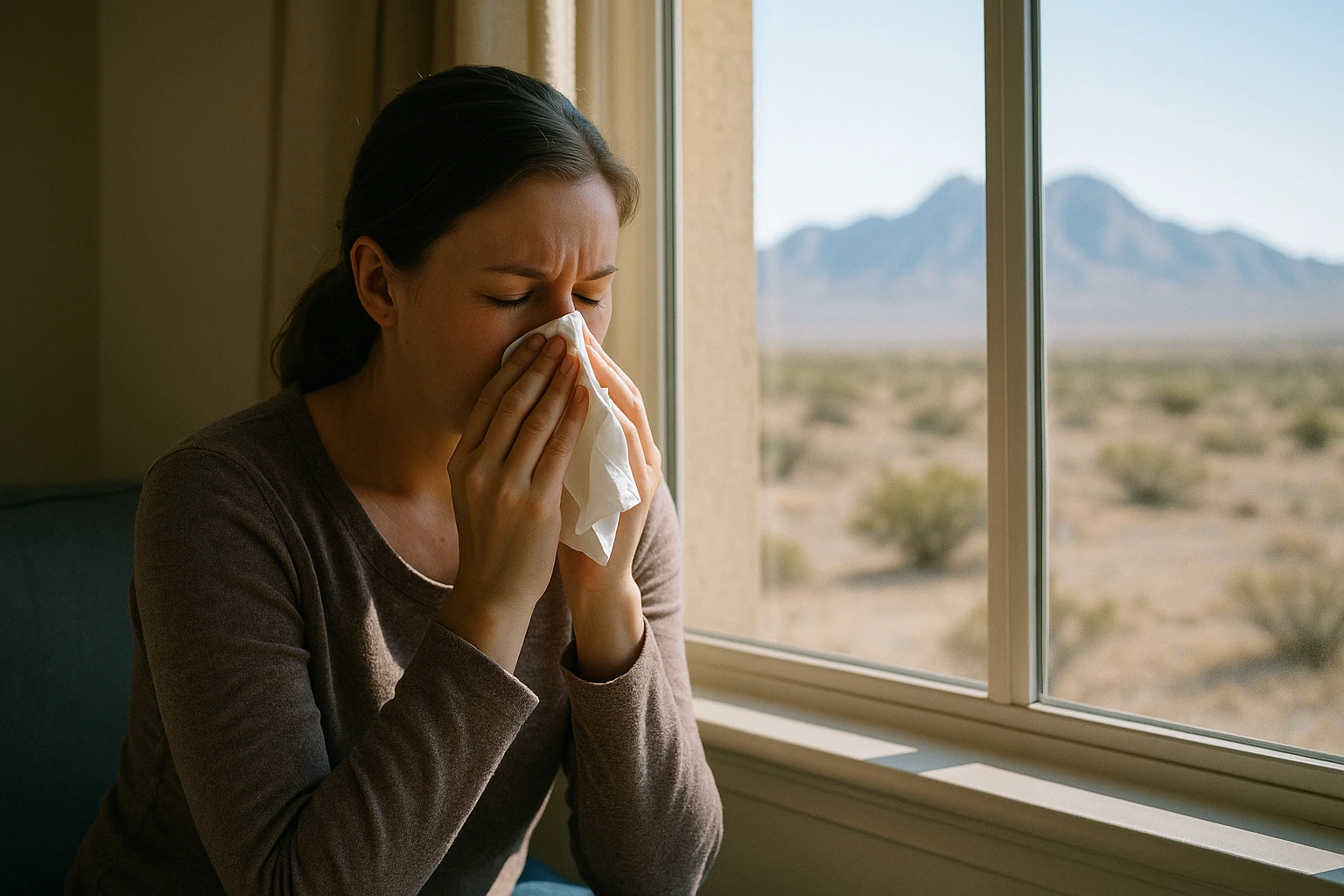
Mold affects people mainly through what it releases into the air: spores and fragments you breathe in, plus the gases that produce that musty smell. For most people the result is allergy-type irritation — the immune system reacting to spores as it would to pollen. Common symptoms include nasal congestion, sneezing, runny nose, itchy or watery eyes, throat irritation, coughing, and in sensitive people, headaches or fatigue. People with asthma can have it triggered or worsened, and those with mold allergies react more strongly. The reactions are real and worth addressing, even though the dramatic “toxic mold” claims online overstate the danger for healthy adults.
Who's more sensitive
Not everyone reacts the same way to the same room. Children, older adults, people with asthma or existing allergies, and anyone immunocompromised — from illness, treatment, or transplant — tend to be more affected and should be more cautious about exposure. For these groups, a persistent indoor mold problem is more than a nuisance and warrants prompter action. A healthy adult might shrug off a musty guest room; a child with asthma sleeping in it is a different situation.
The El Paso confounder: it might be the desert, not the mold
Here's what makes mold easy to miss in this city. El Paso hands you plenty of non-mold reasons to have allergy symptoms: blowing dust and sand, high winds that loft particulates, seasonal pollen, and dry air that irritates sinuses on its own. So when your nose runs and your eyes itch, the natural assumption is “it's the dust” or “it's allergy season” — and often that's correct. The problem is that real indoor mold gets blamed on the desert and goes unaddressed for months. The way to tell them apart is pattern, not symptom.
Reading the pattern
A few patterns point toward indoor mold rather than the outdoor desert:
- It eases when you leave. If symptoms reliably lift when you're away from the house for a day or two and return when you come home, the building is a strong suspect. Outdoor dust and pollen follow you around town; a house-specific cause doesn't.
- It tracks with cooler season. Symptoms that worsen when the swamp cooler comes on for the summer suggest the cooler is circulating spores, since it's adding humidity and blowing duct air through the house.
- It's worse in one room. Congestion that's reliably worse in a particular bedroom, the basement-feel of one closet, or a stuffy office points at that space's moisture.
- It pairs with a smell. Symptoms plus a musty odor in the same area is a stronger signal than either alone.
- It's year-round, not seasonal. Outdoor allergies tend to follow pollen seasons; indoor mold doesn't take a winter off.
What helps
If you suspect mold is contributing, the durable fix is removing the moisture and the growth, not masking symptoms. In the meantime, a few things genuinely help: improving ventilation, running a HEPA air purifier in the most-used rooms, keeping the swamp cooler clean so it isn't seeding spores, fixing any leak promptly, and reducing indoor humidity sources. Air filtration manages symptoms but doesn't remove the source — if a wall or a cooler is feeding spores, the purifier is bailing a boat with a hole in it. The lasting answer is finding and fixing the wet spot.
When health concerns mean it's time to act
Take it seriously and move sooner when someone in the home has asthma that's harder to control, when a sensitive person's symptoms clearly track with the house, when symptoms persist despite cleaning and air filtration, or when there's visible mold or a strong musty smell alongside the symptoms. At that point the priority is identifying the moisture source and the extent of growth, which an independent inspection does directly. Our inspection and testing service is the right starting point when health is part of the picture, because it finds what's actually feeding the problem rather than guessing. And if you want to understand which molds drive allergy symptoms most, our guide to common El Paso molds connects the symptoms to the usual desert culprits.
Keeping perspective
It's worth ending on balance. Most people exposed to ordinary indoor mold experience allergy-type symptoms that resolve once the mold is gone — not serious illness. The internet's worst-case framing causes a lot of unnecessary fear. The sensible posture for an El Paso homeowner is neither panic nor denial: if a room is musty or symptoms track with the house, treat it as a fixable moisture problem, address it properly, and move on. Clean, dry air is the goal, and in a city this dry, it's usually very achievable once you find the one spot holding water.